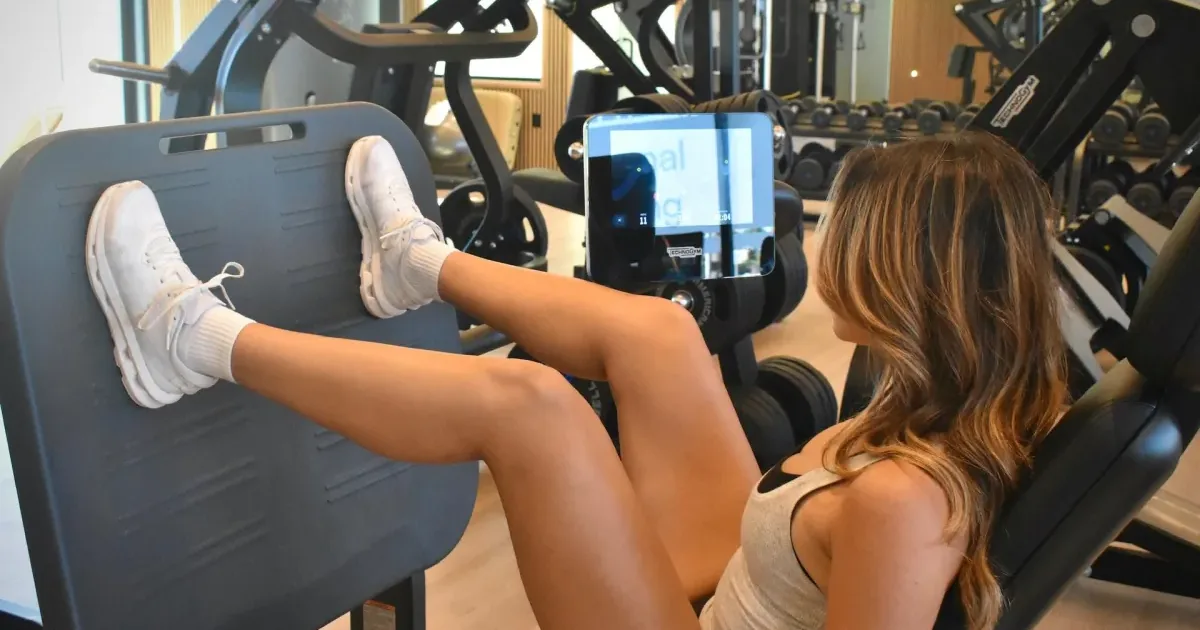
AI-adaptive personal training uses intelligent equipment and software to measure your performance and adjust your workout in real time — calibrating resistance, tracking strength on each side of the body, and personalizing progression to your data. At Bluprint Wellness in Solana Beach, AI-powered Technogym technology handles the precision measurement while expert coaches handle judgment, form, and strategy — the combination is what makes it effective.
"AI-powered" gets attached to almost everything in fitness now, most of it marketing. The version that actually matters is narrow and useful: equipment and software that measure what you are doing precisely, then adapt the work to you in real time. Here is what that looks like in practice, what it measures, and why the technology is only half the equation.
What does AI-adaptive training actually mean?
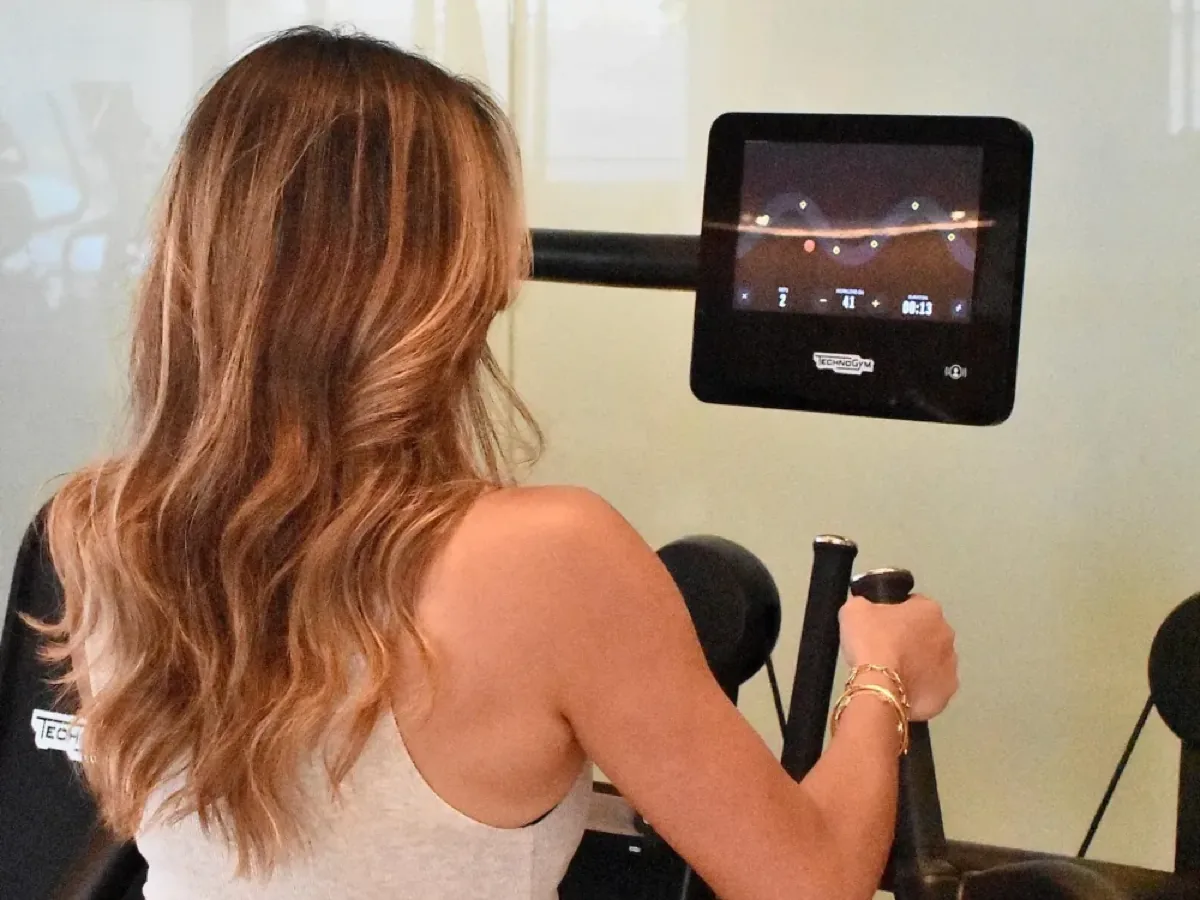
At its core, AI-adaptive training means the resistance and feedback adjust to you rather than you adjusting to a fixed machine. Intelligent strength equipment measures the force you produce through each repetition and calibrates the load to match your real capacity that day — not a number you guessed, and not the same setting as last month regardless of how you have progressed or how you slept.
Bluprint's performance training is powered by AI technology and guided by expert coaches, using Technogym Biostrength equipment. The machine handles what humans estimate poorly — precise, repeatable measurement — while the coach handles what machines cannot: judgment, technique, and the strategy behind your program.
What does the technology measure?
The value of data-driven training is in the specifics it captures that a standard workout never records:
- Real strength per side — identifying left-right imbalances that drive injury risk and plateaus, which conventional barbell work can mask.
- Optimal resistance per session — calibrating load to your actual output that day rather than a fixed weight, so each set lands in the productive range.
- Progression over time — objective tracking of how your strength changes, replacing guesswork with a measurable trend.
- Movement consistency — feedback on tempo and range so each repetition is productive rather than rushed.
Why is data-driven training better for results?
Two reasons. First, precision: when load is matched to your real capacity, you spend more of each session in the range that actually produces adaptation, and less time either under-training or grinding through weight that compromises form. Second, objectivity: progress you can measure is progress you can manage. Instead of "that felt heavier," you have a trend line — and trend lines keep people training consistently, which is the single biggest predictor of long-term results.
This precision matters even more for longevity-focused training after 40, where the margin between productive stimulus and overload is narrower. Measuring rather than guessing protects you on both sides.
Does AI replace the coach?
No — and any studio claiming it does is selling the technology, not your results. The data tells you what is happening; it does not tell you what to do about it, how to adjust around an old shoulder injury, when to push and when to back off, or how this week's training should fit your larger goal. That is coaching judgment, and it is irreplaceable.
The right model treats AI as an instrument in expert hands. The technology removes the guesswork from measurement and progression; the coach supplies the strategy, the form correction, and the human accountability. At Bluprint, that pairing is the point — precision tools, expert coaches, in a private studio environment built for people who want their training to be exact. Membership is by application.