Longevity training is not a different set of exercises so much as a different objective. General fitness optimizes how you look and perform now; longevity training optimizes for the capacities that determine how independent and capable you are in three decades — strength, muscle mass, balance, and cardiovascular capacity. For La Jolla adults over 40, that shift in objective changes what a training week should contain.
Healthspan is the goal, not lifespan
The distinction that matters is between lifespan — how long you live — and healthspan, how long you stay capable and independent. Most people are far more interested in the second, and the training that serves it looks different from the training that serves a summer deadline.
Practically, that means prioritizing the qualities that decline with age and are hard to recover once lost: strength, lean muscle, balance, and aerobic capacity. It is unglamorous work, which is exactly why it is usually skipped in favor of whatever feels harder in the moment.
What a longevity-oriented week actually contains
The shape is simple and consistent across most credible approaches:
- Progressive strength training, two to three sessions a week, with load that increases over time.
- Aerobic work at a conversational intensity, plus a smaller amount of harder work.
- Balance and mobility, trained deliberately rather than assumed.
- Recovery, scheduled rather than improvised — sleep, and the modalities that support consistency.
None of this is exotic. The difficulty is not knowing what to do; it is doing it consistently for years, with load that actually progresses, without accumulating the injuries that end training blocks.
Why coaching matters more after 40, not less
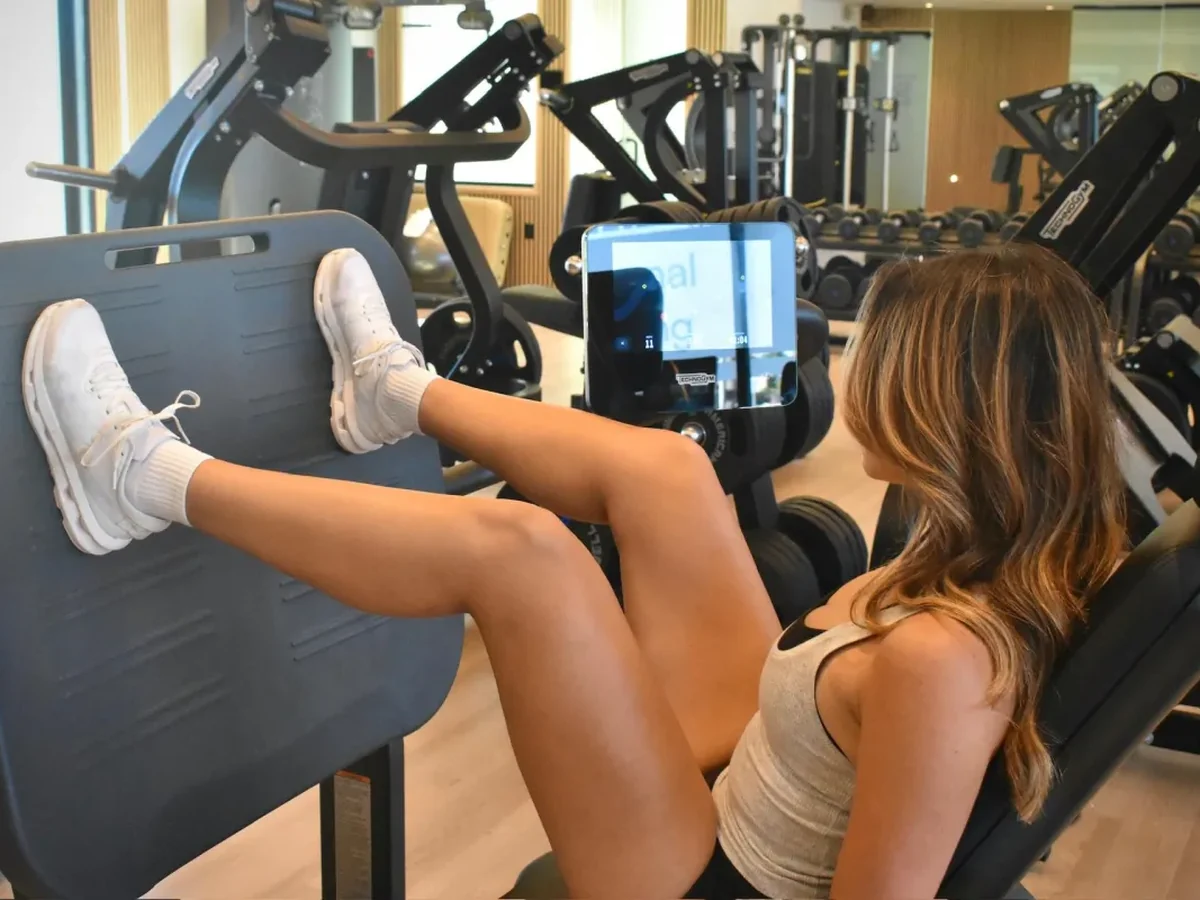
The margin for error narrows with age. Progression that is too aggressive costs more recovery time; technique that was survivable at 25 becomes the reason a shoulder is a problem at 50. Coaching is what keeps progression aggressive enough to produce adaptation and conservative enough to be sustainable.
This is also where integration earns its keep. When the people programming your training also plan your recovery — and physician-guided functional medicine is available in the same membership, by appointment with Dr. Lain Lye, ND — the pieces stop working against each other.
Where La Jolla residents train
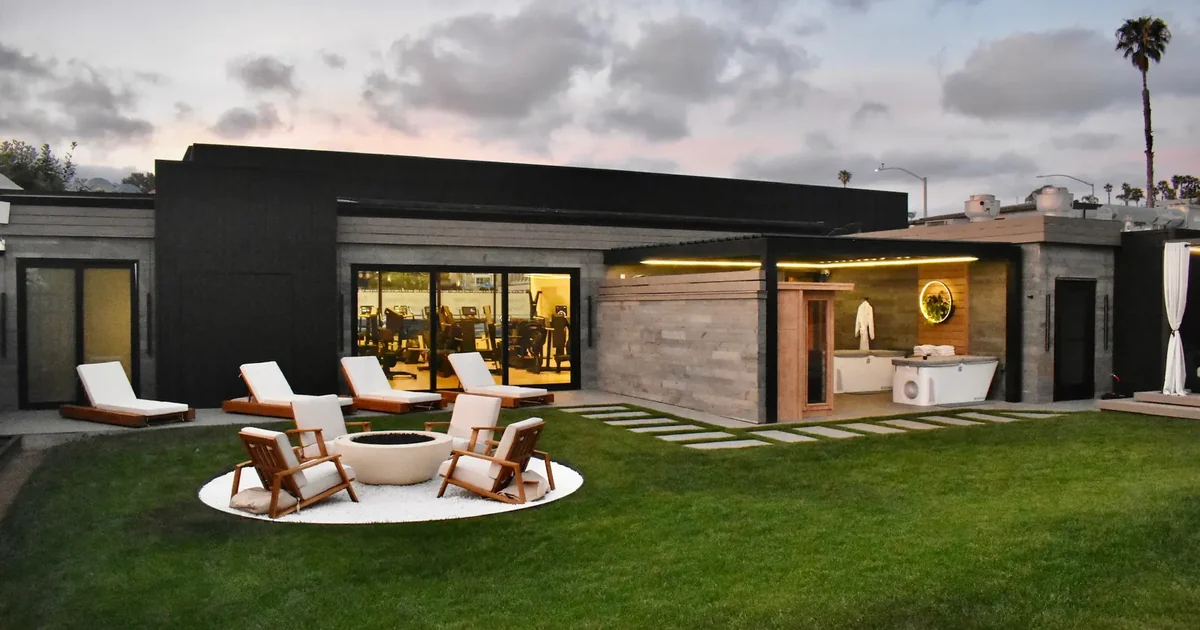
Bluprint Wellness is at 137 Lomas Santa Fe Drive in Solana Beach, up the coast from La Jolla, and runs an application-only membership built around performance training, advanced recovery, functional medicine, and community. For La Jolla residents willing to make a short coastal drive, it consolidates what would otherwise be three or four separate relationships.