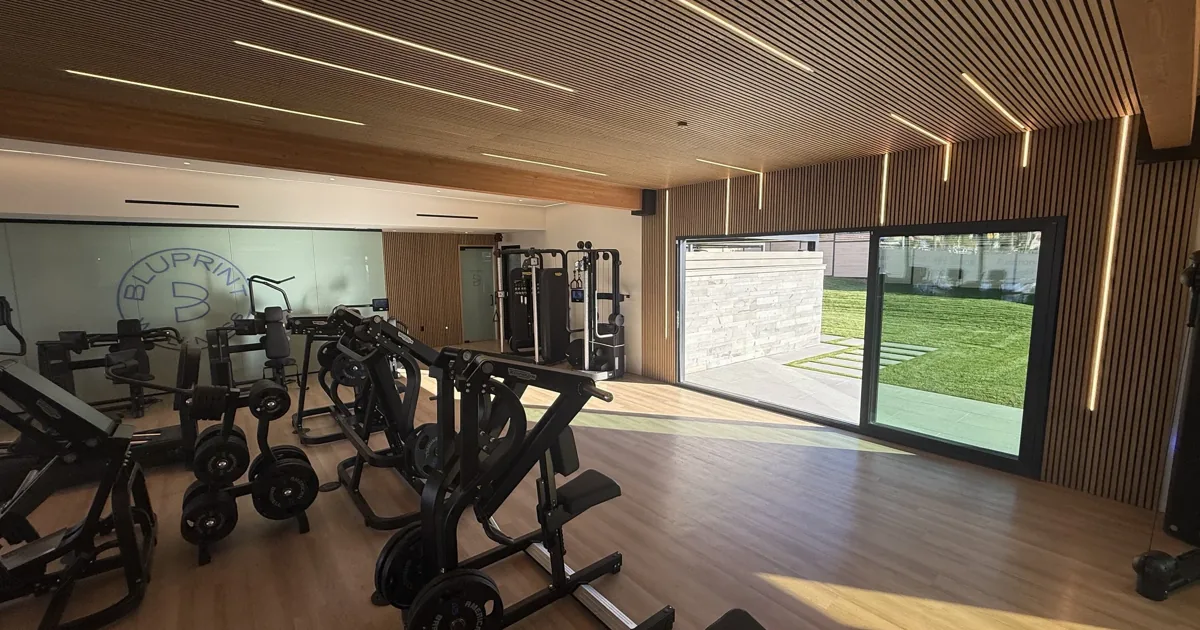
Performance training optimizes for a specific physical outcome — strength, power, or sport performance. Longevity training optimizes for long-term function and healthspan. After 40, most people want a blend weighted toward longevity, with enough performance work to stay genuinely capable. The two overlap heavily; the difference is emphasis, recovery priority, and how progress is measured. A personalized assessment determines the right balance for you.
These two terms get used loosely and sometimes interchangeably, which muddies a genuinely useful distinction. Understanding the difference helps you train with intent after 40 rather than defaulting to whatever program you used at 25. Here is how they actually differ — and why most people need a deliberate blend.
What is performance training?
Performance training optimizes for a specific physical outcome: more strength, more power, faster times, better sport-specific capacity. The goal is measurable improvement in a target, and the program is built backward from it. Intensity is often higher, progression is aggressive, and success is defined by hitting the number.
Performance training is excellent at what it does. The question after 40 is not whether it works — it does — but whether pure performance optimization is the right priority for your goals and your recovery capacity.
What is longevity training?
Longevity training optimizes for long-term physical function — staying strong, mobile, and independent for as many years as possible. It prioritizes preserving muscle and bone, protecting joints, maintaining mobility and balance, and respecting recovery. Progress is measured less by peak output and more by sustained capability over time.
Crucially, longevity training is not "easy" training. It still involves real strength work and genuine effort — it simply weights its priorities toward durability and function rather than peak performance at any cost.
How do they overlap?
More than the contrast suggests. Both are built on resistance training. Both require progression. Both demand consistency. A well-designed longevity program includes performance elements — you cannot preserve function without building and maintaining real strength — and a smart performance program respects recovery and longevity principles to avoid breaking the athlete down. The difference is emphasis, not opposition.
| Performance training | Longevity training | |
|---|---|---|
| Primary goal | A specific output target | Long-term function & healthspan |
| Intensity | Often higher, aggressive | Challenging but sustainable |
| Recovery priority | Supports the target | Central to the program |
| Success measured by | Hitting the number | Sustained capability over time |
| Best emphasis after 40 | In doses | The foundation for most |
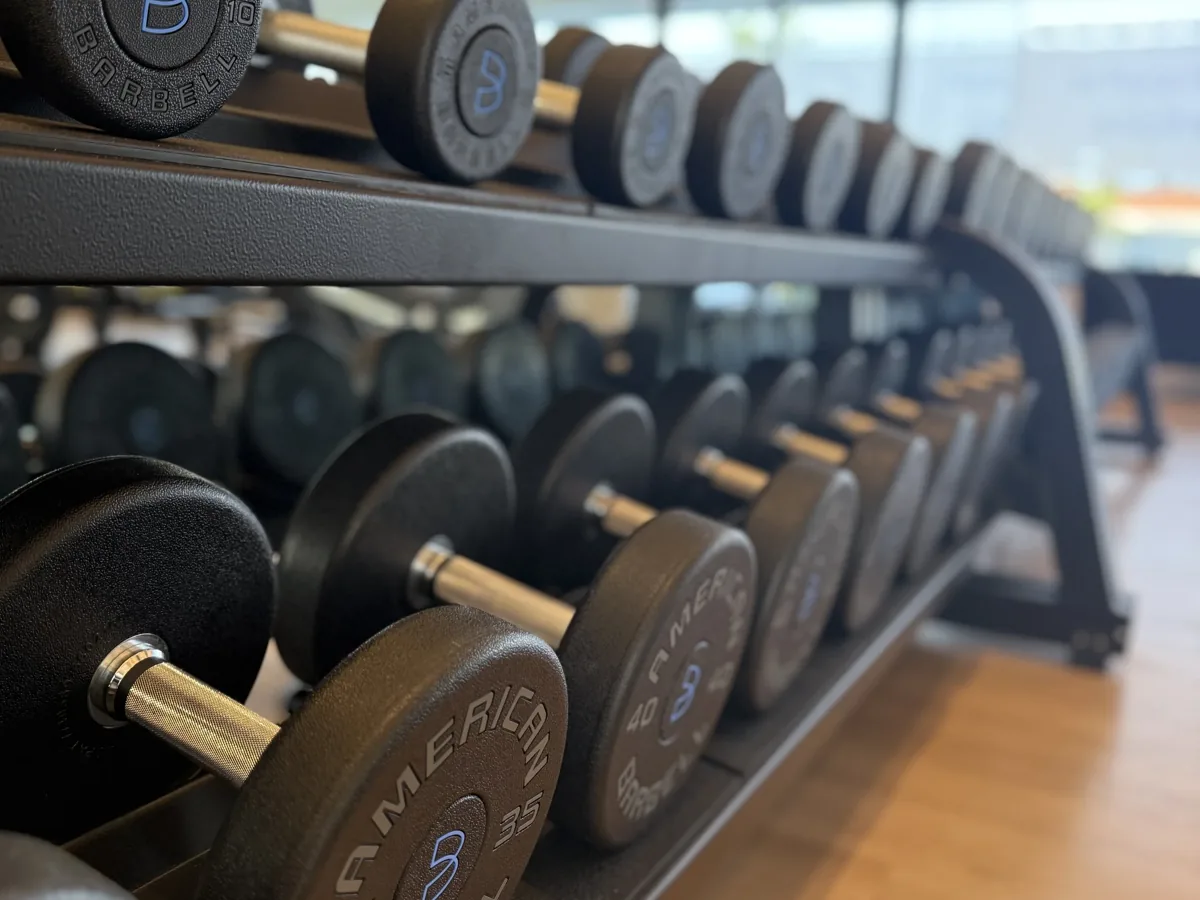
Which do you need after 40?
For most adults over 40, the answer is a blend weighted toward longevity, with enough performance work to stay genuinely capable and to keep training engaging. The right ratio depends on your goals, your history, and your recovery capacity — an athlete preparing for an event needs more performance emphasis than someone whose priority is aging well, but both need elements of each.
This is exactly where personalized assessment matters more than any general rule. Your movement quality, training history, and — where relevant — metabolic and hormonal markers determine the right balance for you specifically. At Bluprint Wellness in Solana Beach, that assessment-led, integrated approach sets the emphasis deliberately rather than by default. Membership is by application.